
Introduction
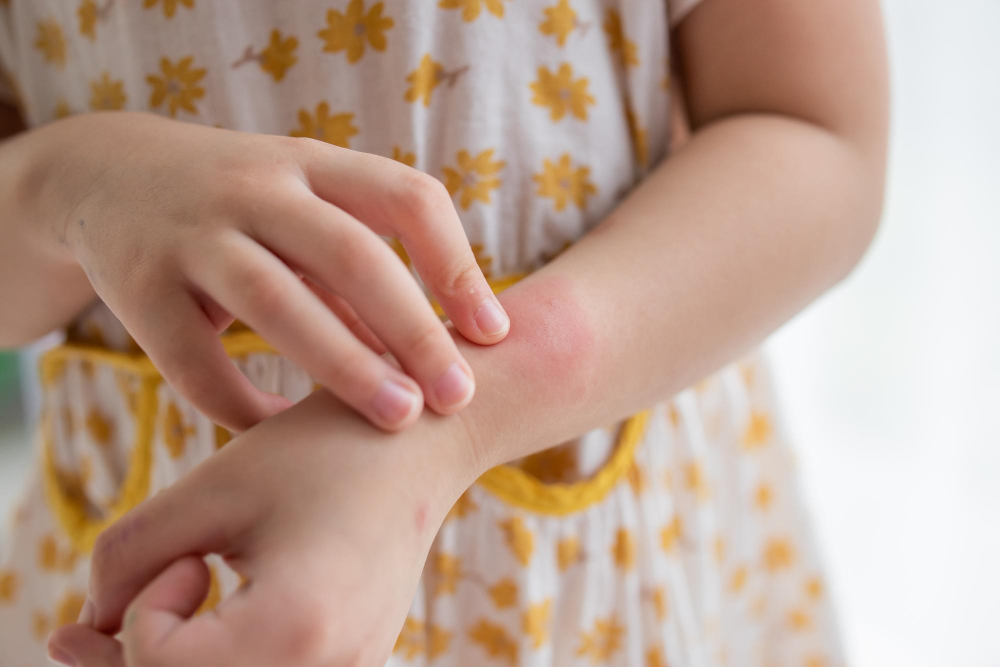
Monsoon skin allergies in children are common during the rainy season. The humid weather and damp surroundings can cause skin rashes and other allergic reactions in kids. Parents often notice itchy spots, redness, or bumps on their child’s skin during this time. Because children have sensitive skin, they are more likely to develop these issues. In India and other humid places, the risk is even higher. Understanding the symptoms, causes, and ways to prevent these allergies can help keep your child comfortable and healthy.
Common Symptoms
During the monsoon, children may show several signs of skin allergies. Early detection is important. Watch for these symptoms:
Sometimes, these symptoms can appear suddenly. However, they may also develop slowly over a few days. If your child has a fever or the rash spreads quickly, seek medical help right away.
Causes and Risk Factors
Many things can cause monsoon skin allergies in children. The rainy season brings extra moisture, which helps germs and fungi grow. Here are some common causes and risk factors:
Additionally, children with sensitive skin or a family history of allergies are at higher risk. In humid climates like India, these problems are more frequent.
Diagnosis
Identifying monsoon skin allergies in children is important for proper care. Parents should look for the symptoms listed above. If the rash does not improve or gets worse, consult a doctor. Doctors usually:
Early diagnosis helps prevent complications. According to the CDC, prompt treatment can reduce the risk of infection.
Treatment Options
Most monsoon skin allergies in children can be managed at home. However, some cases need medical care. Treatment options include:
If the rash is painful, spreading, or not healing, visit a pediatrician. Sometimes, antibiotics or antifungal medicines are needed.
Home Care and Lifestyle Tips
Good home care can help your child recover faster. Here are some tips for child skin care in monsoon:
Moreover, avoid using strong perfumes or powders on your child’s skin. These can make allergies worse.
Prevention Strategies
Preventing skin allergies in kids during the rainy season is possible with a few simple steps. Try these strategies:
Additionally, regular skin checks can help you spot problems early. The World Health Organization suggests keeping children’s skin clean and dry to lower the risk of infections.
When to See a Pediatrician
Sometimes, home care is not enough. Seek medical help if:
Early treatment can prevent serious problems. Always consult a pediatrician for personalized advice if your child shows signs of monsoon skin allergies.